
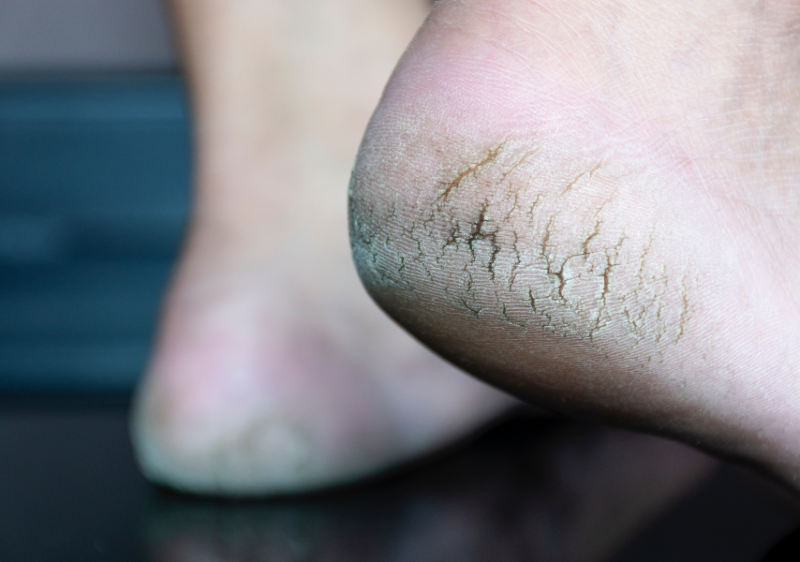
Cracked Heels: Is It a Cosmetic Flaw or a Medical Concern?
We’ve all been there—slipping on a pair of favorite sandals only to notice dry, white ridges tracing our heels. At first, cracked heels (technically known as heel fissures) seem like a minor vanity issue. But for many, those cracks deepen, turn red, and eventually make every step painful.
So, when is a cracked heel just “dry skin,” and when does it become a medical problem? Understanding the difference between cosmetic and medical treatments is the key to getting back on your feet comfortably.
1. The Cosmetic Approach: Smooth & Polish
If your heels are simply rough, dry, or have a buildup of thick skin (callus) without any pain or bleeding, you are likely dealing with a cosmetic issue. This is usually caused by lack of moisture, walking barefoot, or wearing open-backed shoes.
Best Cosmetic Treatments:
- Mechanical Exfoliation: Using a pumice stone or a foot file once a week to gently slough off dead skin cells.
- Intensive Moisturization: Applying foot creams rich in Shea butter, Coconut oil, or Glycerin.
- Overnight Soaking: Soaking feet in warm, soapy water for 20 minutes, followed by a thick moisturizer and cotton socks while you sleep.
2. The Medical Approach: Healing from Within
When cracks become deep enough to reach the dermis (the sensitive layer of skin), they can bleed or become infected. At this stage, lotions alone won’t fix the problem. Medical intervention focuses on structural healing and addressing underlying health conditions like diabetes, obesity, or eczema.
Targeted Medical Treatments:
- Urea-Based Keratolytics: Doctors often prescribe high-concentration Urea creams (20% to 40%). Unlike standard lotions, Urea breaks down the protein (keratin) in thickened skin to soften it rapidly.
- Prescription Debridement: A podiatrist uses sterilized surgical tools to safely “pare down” the thick callus. Never attempt to “cut” your own calluses at home.
- Medical Grade Adhesives: In cases of deep fissures, a professional may use a specific tissue adhesive (skin glue) to hold the edges of the crack together so it can heal.
- Antibiotics: If the cracks show signs of infection—such as swelling, warmth, or pus—a doctor will prescribe topical or oral antibiotics.
When to See a Doctor
It is crucial to skip the DIY spa day and head straight to a podiatrist if:
- You have Diabetes (cracks can lead to serious foot ulcers).
- Your heels are bleeding or oozing.
- You feel a “sharp, stinging” pain when walking.
- The skin is red, swollen, or hot to the touch.
Final Thoughts
Treating cracked heels isn’t just about aesthetics; it’s about maintaining the “barrier” of your skin. Start with consistent moisturizing as a preventative measure, but don’t hesitate to seek professional help if your heels aren’t responding to over-the-counter remedies.



No comment