
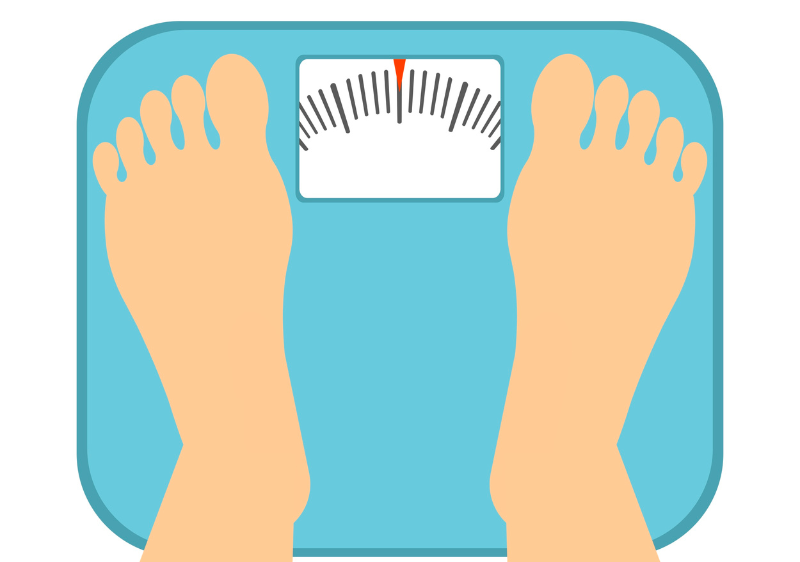
When we talk about health and weight, the conversation usually centers around heart health, metabolism, or fitting into a favorite pair of jeans. But there is a hardworking part of your body that often gets overlooked in the discussion: your feet.
Think of your feet as the foundation of a skyscraper. If you add extra floors to the building without reinforcing the base, cracks eventually start to show. Since our feet carry the entire load of our bodies, even a small increase in weight can significantly change how they function.
Here is a look at the link between weight and foot health, and what you can do to keep your foundation strong.
The “Load Factor”: Simple Math, Big Impact
It’s easy to assume that if you gain 10 pounds, your feet feel 10 pounds of pressure. In reality, it’s much more intense. During a normal walking stride, the pressure exerted on your feet can be up to 1.5 times your body weight. When you run, that force can jump to 3 or 4 times your weight.
This means that losing even a small amount of weight can disproportionately reduce the daily “pounding” your joints and ligaments take.
Common Foot Conditions Linked to Weight
Excess weight can lead to structural changes in the foot and chronic pain. Here are the most common culprits:
- Plantar Fasciitis: This is an inflammation of the thick band of tissue (the fascia) that runs across the bottom of your foot. Extra weight puts constant tension on this tissue, leading to that sharp, stabbing heel pain first thing in the morning.
- Flat Feet (Posterior Tibial Tendon Dysfunction): Over time, carrying extra weight can cause the arches of the feet to collapse. This “flattening” leads to misalignment in the ankles and knees.
- Osteoarthritis: The wear and tear on the small joints in the feet and ankles are accelerated by a heavier load, leading to stiffness, swelling, and reduced mobility.
- Gout: While diet plays a huge role, weight is a significant risk factor for gout—a painful form of arthritis that often strikes the big toe.
The Invisible Connection: Inflammation
It’s not just about the physical “squish.” Adipose tissue (fat) is biologically active. It releases pro-inflammatory chemicals into the bloodstream. This means that if you are carrying extra weight, your body is in a constant state of low-level inflammation, making your tendons and ligaments more prone to injury and slower to heal.
3 Tips to Protect Your Feet Today
Regardless of where you are on your weight loss journey, you can take steps right now to support your feet:
- Invest in Supportive Footwear: Forget the flimsy flip-flops. Look for shoes with solid arch support and cushioning to help redistribute pressure.
- Low-Impact Movement: If your feet hurt, don’t force a long run. Try swimming, cycling, or seated exercises to burn calories without punishing your joints.
- Listen to the “Ache”: Foot pain isn’t just a sign of getting older; it’s a signal. If you’re experiencing persistent heel or arch pain, see a podiatrist before a minor strain becomes a chronic tear.



No comment