
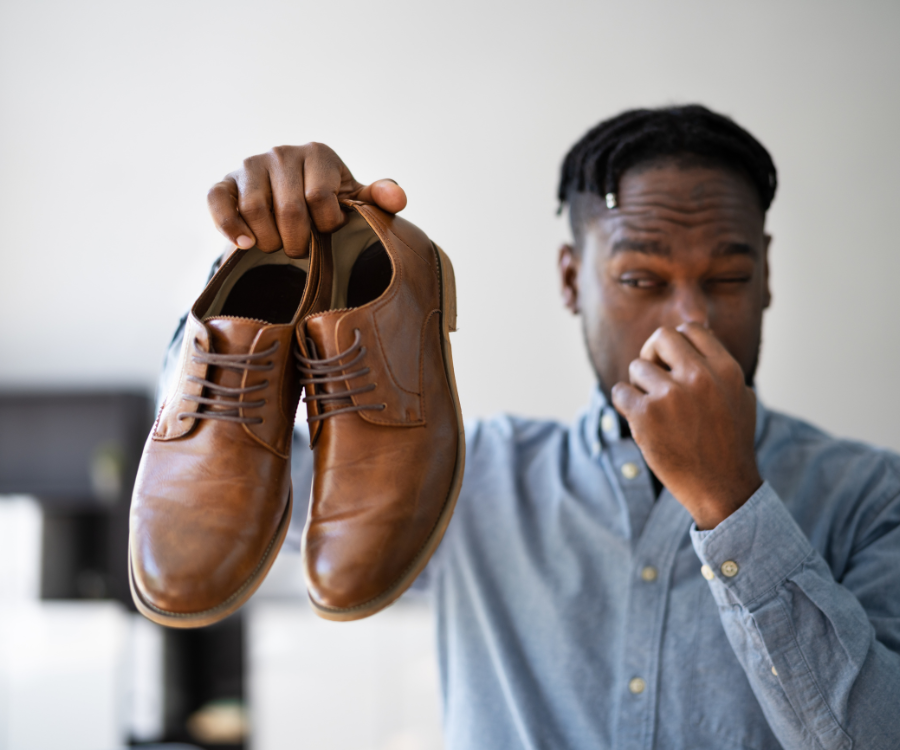
Say Goodbye to the Stink: Why Foot Odor Happens and How to Fix It
Let’s be honest: we’ve all had that moment of hesitation before pulling off our shoes in a room full of people. Whether it’s after a long shift, an intense workout, or just a hot day, foot odor (known medically as bromodosis) is a common struggle.
The good news? You aren’t “just a smelly person.” Foot odor is a biological process that can be managed with a few simple habit shifts. Here is everything you need to know about why your feet funk and how to keep them fresh.
The Science of the Smell: Why Does It Happen?
Believe it or not, sweat itself doesn’t actually smell. Your feet have approximately 250,000 sweat glands—more per inch than anywhere else on your body. However, the odor is caused by what happens after you sweat.
- Bacteria Feast: Your skin is home to natural bacteria. When your feet sweat inside shoes, it creates a warm, damp environment. Bacteria break down the sweat, and that metabolic process releases the unpleasant aroma.
- Trapped Moisture: Non-breathable shoes (like plastic or synthetic leather) act like a greenhouse, trapping moisture and heat.
- Hormonal Changes: Puberty, pregnancy, and high-stress levels can cause your body to produce more sweat than usual.
- Poor Hygiene: Dead skin cells provide even more “food” for bacteria to thrive on.
How to Prevent Foot Odor: 5 Pro Tips
If you’re tired of leaving a scent trail, try these proven strategies to keep the bacteria at bay.
1. Become a Pro at “Foot Laundry”
Rinsing your feet in the shower isn’t enough. Use a mild antibacterial soap and a washcloth to scrub between your toes—that’s where the bacteria love to hide. Most importantly, dry your feet completely before putting on socks. Moisture trapped between toes is an open invitation for odor and fungus.
2. Rotate Your Shoes
Never wear the same pair of shoes two days in a row. It takes at least 24 hours for a shoe to fully air out and dry. If you wear them while they’re still damp from yesterday’s sweat, the odor-causing bacteria never stop multiplying.
3. Choose the Right Socks
Ditch the 100% cotton socks if you’re a heavy sweater; cotton holds onto moisture. Look for:
- Moisture-wicking synthetic blends
- Merino wool (naturally antimicrobial and breathable)
- Copper-infused socks (designed to kill bacteria)
4. Use Topical Helpers
- Antiperspirant: You can use your regular underarm spray on the soles of your feet to reduce sweating.
- Foot Powder: Talc-free powders or cornstarch can help absorb excess moisture throughout the day.
- Epsom Salt Soaks: A 15-minute soak a few times a week can help dry out the skin and kill surface bacteria.
5. Treat Your Shoes
Sprinkle baking soda inside your shoes overnight to neutralize odors. For a deeper clean, you can use a disinfecting spray or even wash removable insoles in the laundry.
When Should You See a Doctor?
While most foot odor is a hygiene hurdle, sometimes it’s a medical issue. If you notice peeling skin, intense itching, or a smell that won’t go away despite your best efforts, you might have Athlete’s Foot or a fungal infection. A podiatrist can provide prescription-strength creams or treatments to clear it up.
Pro Tip: Keep an extra pair of socks in your bag or car. A quick mid-day swap can be a game-changer for your comfort and your confidence!



No comment