

How to Relieve Foot Pain from Standing All Day: A Complete Guide
If you spend your entire workday on your feet, you know that the “five o’clock fatigue” is real. Whether you are a nurse, a retail worker, a teacher, or a warehouse specialist, standing for eight to twelve hours a day puts immense physiological stress on your lower limbs. Over time, what starts as a dull ache can transition into chronic conditions like plantar fasciitis or tendonitis.
The good news is that you don’t have to accept foot pain as an inevitable part of your job. By understanding why your feet hurt and implementing a few strategic changes, you can find lasting relief.
Why Your Feet Hurt After a Long Shift
When you stand still or walk on hard surfaces for extended periods, your feet bear the entirety of your body weight without a break. This constant pressure compresses the soft tissues, restricts blood flow, and causes the muscles in your arches and heels to overwork.
Common culprits for this pain include:
- Hard Flooring: Concrete and tile floors have zero “give,” forcing your feet to absorb the full impact of every step.
- Inadequate Footwear: Shoes that lack arch support or cushioning allow the foot to flatten, stretching the ligaments painfully.
- Poor Circulation: Gravity causes blood to pool in the lower legs, leading to swelling (edema) and a heavy, throbbing sensation.
Immediate Strategies for Pain Relief
If you’ve just finished a long shift and your feet are screaming, try these “first aid” steps to reduce inflammation and soreness:
The Ice Roll Freeze a water bottle and roll your foot over it for 10 to 15 minutes. This provides a dual benefit: the cold reduces swelling, while the rolling motion offers a deep-tissue massage to the plantar fascia.
Elevate Your Legs When you get home, lie down and prop your feet up above the level of your heart. This uses gravity to help drained accumulated fluid back toward your torso, significantly reducing throbbing and heaviness.
Targeted Stretching Perform a simple calf stretch against a wall. Tight calves pull on the heel bone, which in turn pulls on the bottom of the foot. Loosening the calves is often the “secret key” to unlocking foot comfort.
Long-Term Solutions for All-Day Comfort
To stop the pain before it starts, you need to look at your daily habits and gear.
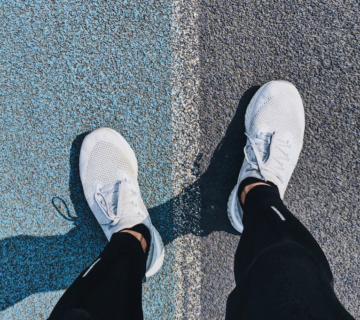
Invest in the Right Shoes The most important tool for a standing professional is a high-quality shoe. Look for options with a wide toe box (to allow for natural swelling) and a firm midsole. If your favorite shoes lack support, consider adding medical-grade orthotic inserts to distribute pressure more evenly across your foot.
Change Your Stance Try not to stand perfectly still. Shifting your weight from one foot to the other or using a small footrest to elevate one foot at a time can change the pressure points and give certain muscle groups a micro-break.
Compression Socks Many professionals swear by graduated compression socks. These specialized socks apply gentle pressure to your lower legs, maintaining blood flow and reducing the “heavy leg” feeling that usually sets in by mid-afternoon.
When to See a Professional
While most foot fatigue can be managed at home, you should consult a podiatrist if you experience sharp, stabbing pain in the morning, numbness, or swelling that doesn’t go away overnight.
Taking care of your feet isn’t just about comfort—it’s about protecting your mobility for years to come. Start small by upgrading your socks or adding a nightly stretch, and your body will thank you.


No comment