
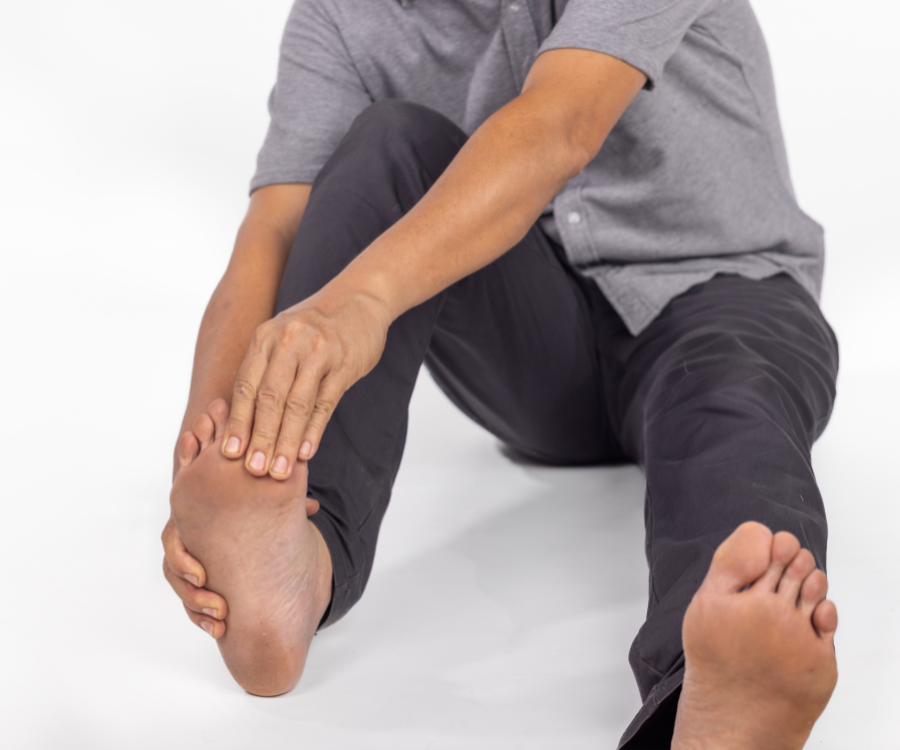
Corns vs. Calluses: What’s the Difference?
If you’ve ever felt a sharp pinch in your shoe or noticed a patch of rough, thickened skin on your feet, you’ve likely encountered a corn or a callus. While they might seem like the same annoying foot problem, they are actually quite different in how they form, where they show up, and how you should treat them.
Understanding the difference is the first step toward walking pain-free. Here is everything you need to know about corns versus calluses.
What Exactly Are They?
At their core, both corns and calluses are your body’s way of protecting itself. When skin is subjected to repeated friction or pressure, it builds up extra layers of dead skin cells to act as a shield. This thickening is called hyperkeratosis.
1. What is a Corn?
A corn is a small, localized area of thickened skin that usually has a distinct, hard center (often called a “plug”). They are typically found on non-weight-bearing parts of the foot, such as the tops or sides of the toes.
- Appearance: Small, circular, and well-defined.
- Feel: Often painful when pressed; they feel like a tiny pebble is stuck in your shoe.
- Types: * Hard Corns: Firm and found on the tops of toes.
- Soft Corns: Rubbery and usually found between toes (where moisture keeps them soft).
2. What is a Callus?
A callus is a broader patch of thickened, toughened skin. Unlike corns, calluses rarely have a central “core” and are usually not painful unless they become excessively thick or cracked.
- Appearance: Larger than corns, yellowish or grayish in color, and less defined at the edges.
- Feel: Thick, rough, and less sensitive to touch than the surrounding skin.
- Location: Usually found on the soles of the feet, particularly under the heels or the balls of the feet.
Common Causes
Both conditions are usually caused by mechanical stress. The most frequent culprits include:
- Ill-fitting shoes: High heels or shoes that are too tight squeeze the toes (corns), while loose shoes allow the foot to slide and rub (calluses).
- Skipping socks: Wearing shoes without socks increases friction against the skin.
- Foot deformities: Bunions, hammertoes, or bone spurs can create “high pressure” spots.
- Gait issues: The way you walk can place uneven weight on certain parts of your feet.
How to Treat Them at Home
In most cases, you can manage these issues with a little TLC.
- Soak your feet: Use warm, soapy water for 10–15 minutes to soften the skin.
- File it down: Gently use a pumice stone or foot file to remove the outermost layers of dead skin. Never attempt to “cut” or “dig out” a corn or callus yourself, as this can lead to serious infection.
- Moisturize: Apply a thick foot cream (look for ingredients like urea or salicylic acid) to keep the skin supple.
- Use padding: Over-the-counter moleskin or silicone pads can help redirect pressure while the skin heals.
When to See a Professional
If you have diabetes or poor circulation, you should never treat corns or calluses at home. Any small nick or injury could lead to a non-healing ulcer.
For everyone else, see a podiatrist if the area becomes inflamed, starts leaking fluid, or causes pain that makes it difficult to walk. A specialist can perform a “debridement” (safely trimming the skin) or recommend custom orthotics to fix the root cause.


No comment