
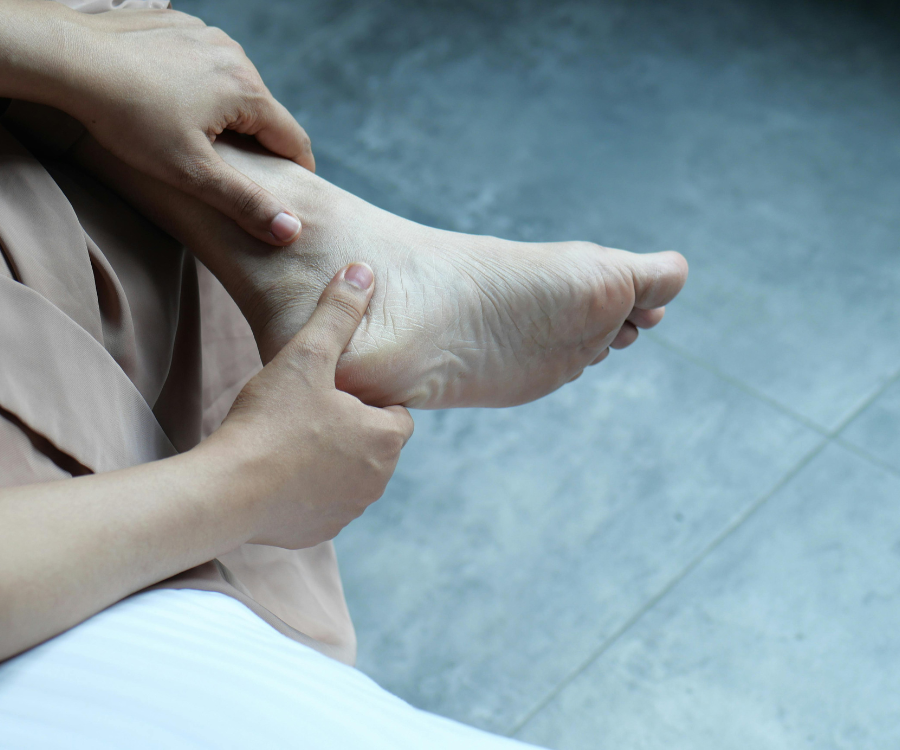
Step Up Your Health: 5 Essential Foot Hygiene Habits to Prevent Infections
Most of us don’t think twice about our feet until they start to ache or itch. However, your feet are the foundation of your mobility, and neglecting them can lead to more than just bad odors. From fungal infections like athlete’s foot to serious complications like diabetic ulcers, poor foot hygiene can have a massive impact on your quality of life.
The good news? Preventing these issues is surprisingly simple. Here are five daily habits to keep your feet healthy, clean, and infection-free.
1. Wash and—More Importantly—Dry Thoroughly
It sounds basic, but many people skip the most crucial part: drying between the toes. Bacteria and fungi thrive in dark, damp, and warm environments.
- The Habit: Wash your feet daily with lukewarm water and mild soap.
- The Pro-Tip: After showering, use a dedicated towel to pat the areas between your toes completely dry. If you’re prone to moisture, a quick puff of antifungal powder can provide an extra layer of protection.
2. Master the Art of Nail Trimming
Ingrown toenails are more than just painful; they are a primary entry point for bacteria. When a nail pierces the skin, it can quickly lead to an infection or a localized ulcer.
- The Habit: Always cut your toenails straight across. * The Pro-Tip: Never round the corners or cut them too short. Use a nail file to gently smooth any sharp edges that might snag on your socks.
3. The “Daily Inspection” Routine
For individuals with circulation issues or diabetes, nerve damage (neuropathy) can make it hard to feel a small cut or blister. If left untreated, these minor injuries can escalate into deep ulcers.
- The Habit: Spend 60 seconds every evening checking your feet for redness, swelling, blisters, or cuts.
- The Pro-Tip: If you struggle to see the bottom of your feet, place a mirror on the floor or ask a family member to help. Catching a “hot spot” early can prevent weeks of medical treatment.
4. Choose Breathable Footwear and Socks
Your shoes and socks act as a micro-climate for your feet. Synthetic materials trap sweat, creating a breeding ground for infections.
- The Habit: Rotate your shoes. Avoid wearing the same pair two days in a row so they have time to fully air out.
- The Pro-Tip: Opt for moisture-wicking socks (made of wool or specialized synthetic blends) rather than 100% cotton, which stays damp once it gets wet.
5. Moisturize (But Be Strategic)
Dry, cracked skin on the heels isn’t just an aesthetic issue; those cracks (fissures) allow bacteria to enter the bloodstream.
- The Habit: Apply a high-quality foot cream or urea-based moisturizer to the tops and bottoms of your feet daily.
- The Warning: Never put lotion between your toes. The extra moisture in that tight space can cause the skin to “macerate” (get mushy and white), leading to fungal growth.
When to See a Professional
While hygiene is your first line of defense, some issues require a podiatrist. You should seek medical advice if you notice:
- Discoloration of the toenails.
- A wound that hasn’t healed in over a week.
- Persistent tingling, numbness, or “pins and needles.”
- Extreme dryness that results in bleeding.

No comment