
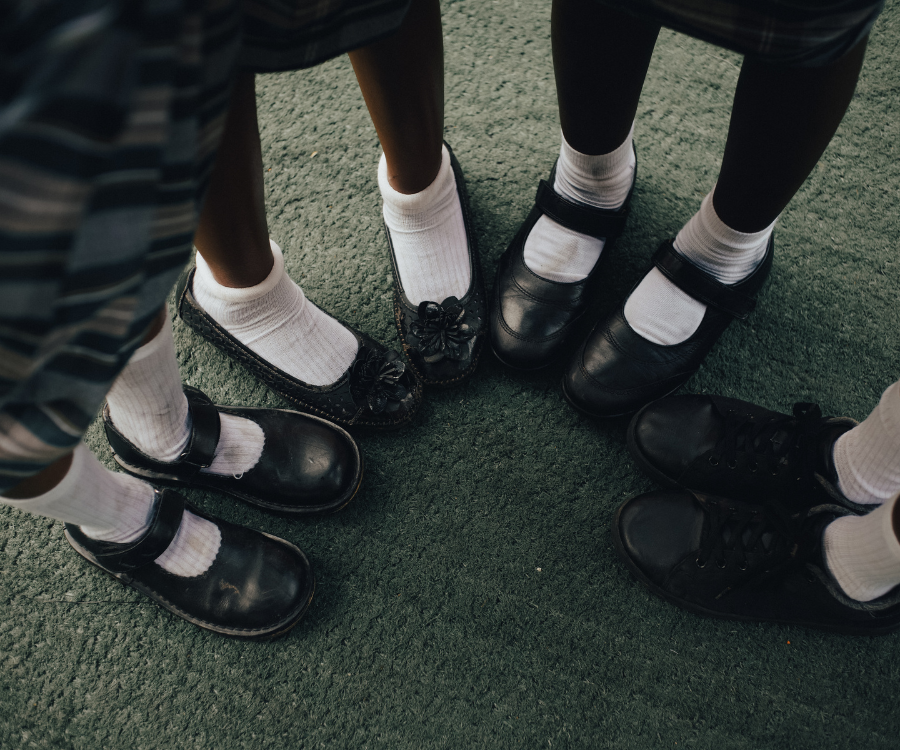
The Foundation for Success: Protecting Children’s Growing Feet with the Right School Shoes
Your child spends roughly 15,000 hours in their school shoes throughout their academic years. From the morning walk to the classroom shuffle, and the energetic sprints on the playground, their footwear is the foundation for their day.
It’s easy to focus on style or price, but when it comes to school shoes, the most important factor is simple: fit and support. Since children’s feet are still developing—their bones are softer and more flexible—ill-fitting shoes can cause more than just a blister; they can lead to long-term foot issues, posture problems, and unnecessary discomfort.
Investing in a proper pair of school shoes is an investment in your child’s overall health and well-being.
Why the Right Fit is Non-Negotiable for Growing Feet
Children’s feet grow quickly, often changing size every few months. Wearing shoes that are too small or lack support can lead to a host of problems:
- Deformities: Tight shoes can crowd the toes, leading to painful conditions like ingrown toenails, calluses, or even long-term issues such as bunions and hammer toes.
- Balance and Safety: Shoes that are too big or too loose are a tripping hazard, affecting balance and increasing the risk of sprains and falls.
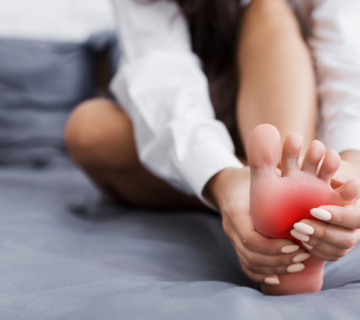
- Aches and Pains: Poorly supported feet can cause pain not just in the foot itself, but also in the ankles, knees, hips, and back, often misdiagnosed as “growing pains.”
- Concentration: Discomfort is a distraction. A child who is constantly shifting or rubbing their sore feet is a child whose focus is pulled away from the teacher.
The right school shoes provide cushioning, stability, and enough space for healthy growth and natural movement.
5️⃣ Essential Tips for Choosing the Best School Shoes
Next time you head to the store for back-to-school shopping, keep these expert-recommended tips in mind:
1. Measure, Measure, Measure
- Regular Check-ups: Have your child’s feet professionally measured for both length and width every 3-6 months. One foot is often slightly larger than the other—always fit the larger foot.
- The Wiggle Room Rule: There should be about a thumb’s width of space between the end of your child’s longest toe and the end of the shoe. This allows for growth and prevents toes from being squashed.
2. Prioritize Support, Not Just Style
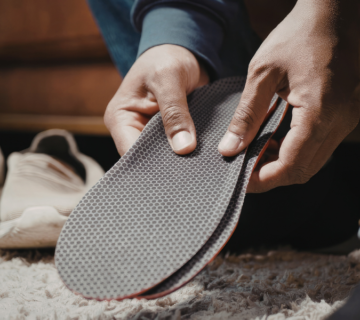
- Arch Support: Look for shoes with a contoured, supportive footbed that encourages the natural arch to develop correctly. This is vital for proper posture.
- Firm Heel Counter: The cup around the back of the heel (the heel counter) should be firm and stable. If you can easily squeeze it flat, it won’t provide the necessary support to hold the foot in place.
3. Check for Flexibility and Cushioning
- The Bend Test: The sole of the shoe should be sturdy but still flexible enough to bend easily at the ball of the foot—the point where the foot naturally flexes when walking.
- Shock Absorption: Look for a durable, cushioned sole that can absorb the impact of running, jumping, and all-day activity, protecting developing joints.
4. Opt for a Secure Fastening
- Laces, Velcro, or Buckles: These fastenings are superior to slip-on styles. They act like a seatbelt, securing the foot snugly into the heel of the shoe. This prevents the foot from sliding and the toes from clawing to keep the shoe on.
5. Choose Breathable, Quality Materials
- Natural Materials: Shoes made of genuine leather are highly recommended. They are durable, supportive, and, most importantly, breathable, which helps prevent excessive sweating, odors, and the risk of fungal infections.
⚠️ When to Replace School Shoes
Even the best pair of shoes needs replacing. Here’s what to look out for:
- Tightness: Your child complains of discomfort, the shoes leave red marks, or their toes are pressing against the front.
- Wear and Tear: The sole is heavily worn, especially on one side (which can indicate an issue with their gait), or the heel counter is soft and crushed.
- New Pains: They start complaining of foot, knee, or leg pain after school.
In Summary
Choosing the right children’s school shoes is one of the most important back-to-school tasks a parent can do. By prioritizing a professional fit, supportive structure, and breathable materials, you’re not just buying a uniform item; you are supporting your child’s physical development and helping them step confidently and comfortably through their school day.
A well-fitted shoe truly is the foundation for a successful, active, and pain-free school year.

No comment