Smart Insoles: Can Wearable Tech Prevent Foot Injuries?
For years, wearable technology has focused on what’s happening at our wrists. From tracking heart rates to counting steps, the “smart” revolution has been largely upper-body centric. However, a new frontier in health tech is moving from the wrist to the feet.
Smart insoles are no longer a futuristic concept; they are becoming a vital tool for runners, diabetic patients, and fitness enthusiasts alike. But can these sensor-packed inserts actually prevent foot injuries, or are they just another high-tech gadget?
What Exactly Are Smart Insoles?
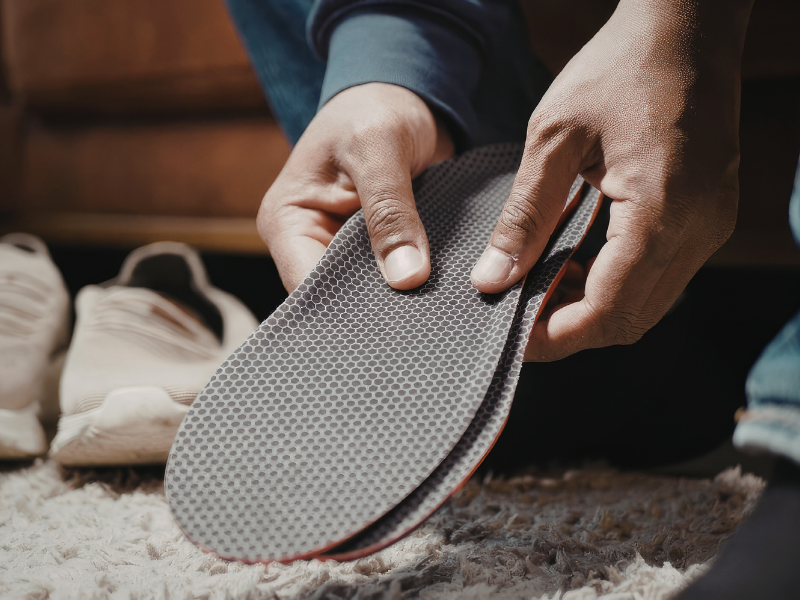
At first glance, a smart insole looks like any other high-quality orthotic. However, tucked inside the layers of foam and gel is a sophisticated network of pressure sensors, accelerometers, and gyroscopes.
These devices connect via Bluetooth to your smartphone, providing a live data stream of your biomechanics. Unlike a one-time gait analysis at a specialized clinic, smart insoles track your movement across miles of real-world terrain, whether you are running on asphalt, hiking on trails, or walking through your office.
How Smart Insoles Prevent Common Foot Injuries
The primary way smart insoles prevent injury is through real-time gait analysis. Most foot injuries, such as plantar fasciitis, shin splints, and stress fractures, don’t happen overnight. They are the result of repetitive stress caused by poor form or muscle fatigue.
1. Correcting Overpronation and Supination
Many runners struggle with “rolling” their feet too far inward (overpronation) or outward (supination). Over time, this misalignment strains the ligaments. Smart insoles detect these subtle shifts in your foot strike and alert you before the strain turns into a chronic injury.
2. Monitoring Fatigue-Induced Form Breakdown
As you get tired during a long run, your form naturally begins to slip. Your stride may shorten, or your landing may become “heavy.” Smart technology identifies when your “ground contact time” increases—a key indicator of fatigue—prompting you to adjust your form or end your session to avoid a snap-injury.
3. Early Warning for Diabetic Health
For those managing diabetes, smart insoles are literal lifesavers. Peripheral neuropathy can cause a loss of sensation in the feet, meaning a patient might not feel a developing blister or ulcer. Smart insoles monitor “hot spots” (areas of high pressure) and temperature changes, alerting the user to take a load off before a minor irritation becomes a serious medical complication.
Key Metrics Tracked by Wearable Foot Tech
To give you a full picture of your foot health, these devices monitor several “spatio-temporal” and “kinetic” metrics:
- Foot Strike Pattern: Do you land on your heel, midfoot, or forefoot?
- Balance and Symmetry: Are you favoring one leg over the other? (Often an early sign of a hidden injury).
- Cadence and Stride Length: Helps optimize running efficiency and reduce joint impact.
- Ground Reaction Force (GRF): Measures the actual impact force your body absorbs with every step.
Is the Investment Worth It?
While high-end brands like Digitsole, Orpyx, and Moticon offer professional-grade data, they do come with a higher price tag than a standard pair of drugstore inserts.
However, for someone recovering from surgery, an athlete prone to overuse injuries, or a diabetic patient requiring constant monitoring, the cost is often justified. By turning your everyday shoes into a portable gait lab, you gain insights that were previously only available to elite athletes.
The Bottom Line: Proactive vs. Reactive Care
The traditional approach to foot health is reactive: you wait for the pain, then you buy the brace. Smart insoles flip the script. By providing a “check engine light” for your gait, they allow you to make small, proactive adjustments that keep you on your feet and out of the doctor’s office.
As we head further into 2026, the integration of AI with these sensors will only get more accurate. The question is no longer if wearable tech can prevent injuries, but rather when you’ll decide to put it to work for your own health.



No comment