
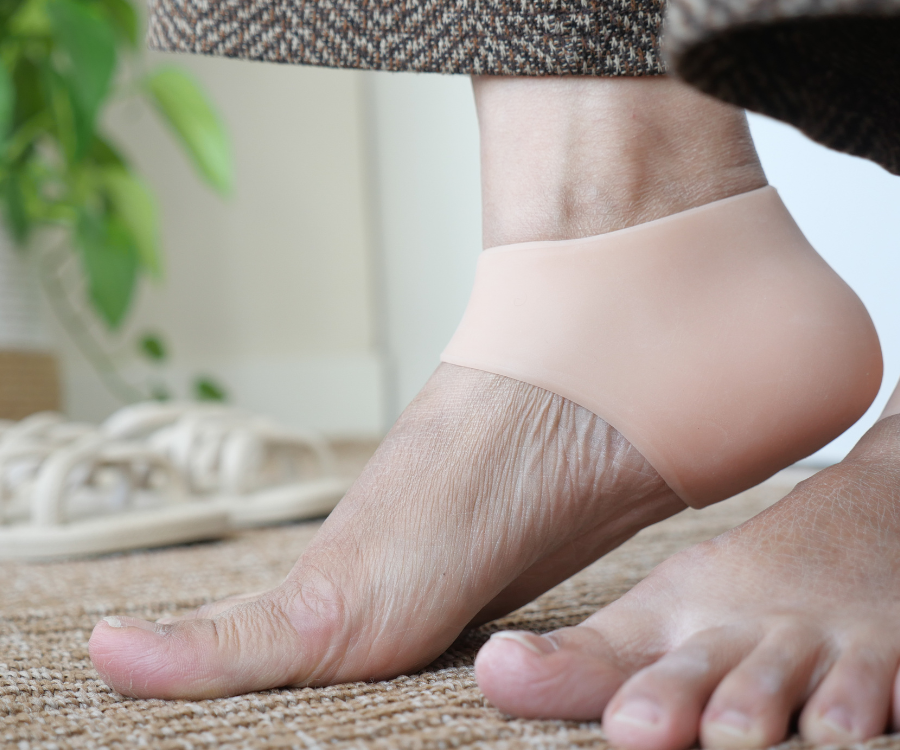
Why Foot Health Matters More Than You Think: Your Body’s Unsung Heroes
You rely on your feet every single day. They are the foundation that supports your entire body, enabling you to walk, run, jump, and stand. Yet, many of us give them little thought until they start to hurt.
If you’ve ever experienced the sharp pain of plantar fasciitis, the burning of an ingrown toenail, or the relentless ache of a tired arch, you know how quickly a foot problem can derail your life. But the impact of poor foot health goes far beyond simple discomfort.
It’s time to recognize your feet for the crucial role they play in your overall health and well-being.
🚶♀️ The Domino Effect: How Foot Pain Affects Your Whole Body
The structure of your foot—with 26 bones, 33 joints, and over 100 muscles, tendons, and ligaments—is incredibly complex. When something is wrong at the base, it triggers a chain reaction, affecting the entire kinetic chain.
Here’s how neglecting your feet can lead to issues higher up:
- Joint Pain: A painful bunion, flat feet, or a heel spur can alter your natural gait (the way you walk). This uneven weight distribution and change in posture can lead to significant knee pain, hip pain, and chronic back pain. You might unknowingly develop problems in these areas simply because you’re compensating for a sore foot.
- Reduced Mobility: Pain makes you move less. It’s a simple truth. The average person walks the equivalent of over 100,000 miles in a lifetime! If every step is a struggle, you’ll naturally become less active. This reduced mobility can hinder your fitness goals and, over time, negatively impact your cardiovascular health and weight management.
- Balance and Stability: Healthy feet provide a stable base. Issues like nerve damage or severe arthritis in the foot can impair your balance, increasing your risk of falls—especially as you age.
🧠 The Hidden Impact on Mental Health
It may seem dramatic, but foot pain can take a toll on your mental and emotional state. Constant, nagging pain is stressful.
- Quality of Life: Studies show that people experiencing chronic foot issues often report a significantly worse quality of life compared to those without foot pain.
- Sleep and Mood: Excruciating pain, especially heel pain that flares up after rest, can disrupt sleep. Lack of quality sleep is a known contributor to increased stress, irritability, and even symptoms of anxiety and depression. When you can’t enjoy simple activities like a morning walk, your overall mental well-being suffers.
🛑 Your Feet as a Health Barometer
Did you know your feet can act as an early warning system for more serious systemic health conditions?
- Diabetes: Tingling, numbness, or chronic wounds that are slow to heal in your feet can be a sign of diabetic neuropathy, a form of nerve damage caused by high blood sugar. This is why daily foot checks are critical for people managing diabetes.
- Circulation Issues: Cold, blue-tinged, or purple skin on the feet, or pain when walking that resolves with rest, can indicate poor blood flow (peripheral arterial disease). Untreated circulation problems in the lower limbs can increase the risk of more serious health events.
- Arthritis: Joint stiffness, swelling, or deformity can be an early indicator of various forms of arthritis, including gout and rheumatoid arthritis, which often manifest in the feet first.
🛠️ Simple Steps for Lifelong Foot Care
Prioritizing your foot care is an investment in your future self and your entire body. The good news is that most common problems, from bunions and corns to athlete’s foot, are preventable or treatable.
- Choose the Right Shoes: This is arguably the most important step. Always wear well-fitted shoes that offer adequate arch support and a wide toe box. Avoid high heels or extremely flat footwear for prolonged periods.
- Inspect Daily: Take two minutes each day to look at your feet. Check for cuts, blisters, swelling, or changes in skin color. If you have peripheral neuropathy (especially from diabetes), a mirror or a family member can help.
- Wash and Dry: Wash your feet daily and ensure you dry thoroughly, especially between the toes, to prevent fungal infections like Athlete’s foot.
- Trim Toenails Straight: Cut your toenails straight across to avoid painful ingrown toenails.
- Stretch and Move: Incorporate gentle foot and ankle stretches into your routine to maintain flexibility and strength, which can help prevent conditions like heel pain and tendinitis.
Conclusion
Your feet are the reliable, hard-working workhorses of your body. They allow you to live a full, active life. Don’t wait until you’re struggling with chronic foot pain to give them the attention they deserve. By integrating simple, proactive foot health habits into your routine, you’re not just saving your soles—you’re safeguarding your posture, your mobility, and your overall quality of life.



No comment