

Why Do My Feet Hurt When I Wake Up? Causes, Relief, and Prevention
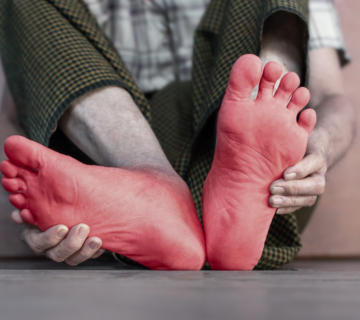
Stepping out of bed in the morning should feel refreshing, not like walking across broken glass or hot coals. If that first step onto the floor delivers a sharp, stabbing ache in your heels or the arches of your feet, you are experiencing a classic symptom known medically as first-step pain.
5 Common Reasons Your Feet Hurt in the Morning
1. Plantar Fasciitis
By far the most common culprit behind morning heel pain is plantar fasciitis. The plantar fascia is a thick band of fibrous tissue running along the bottom of your foot, connecting your heel bone to your toes.
- Why it hurts in the morning: When you sleep, your feet naturally point downward (plantarflexion), causing the plantar fascia to rest in a shortened, contracted state. Overnight, micro-tears attempt to heal in this shortened position. The moment you stand up, your body weight abruptly stretches that tight tissue, triggering sudden, sharp pain.
2. Achilles Tendinitis
The Achilles tendon connects your calf muscles to your heel bone. Overuse, tight calf muscles, or unsupportive footwear can cause inflammation in this tendon.
- Morning symptom: Stiffness, burning, or an intense dull ache at the back of the heel and lower calf that slowly eases as you walk and warm up.
3. Arthritis (Osteoarthritis & Rheumatoid Arthritis)
Joint inflammation frequently peaks after periods of extended inactivity.
- Osteoarthritis: Caused by cartilage wear and tear; joints stiffen overnight as lubricating synovial fluid decreases at rest.
- Rheumatoid Arthritis: An autoimmune condition causing systemic inflammation, often resulting in symmetrical joint stiffness that can take 30 to 60 minutes to subside.
4. Poor Footwear and Arch Support
Walking barefoot on hard tile or hardwood floors, or wearing flat shoes with zero arch support during the day, places immense mechanical strain on your arches. That stress accumulates, leading to overnight inflammation and soreness by dawn.
5. Peripheral Neuropathy or Nerve Entrapment
Conditions like diabetes, vitamin deficiencies, or tarsal tunnel syndrome (compression of the posterior tibial nerve) can lead to morning tingling, burning, or pins-and-needles sensations in the soles and toes.
Quick Morning Foot Pain Comparison
| Condition | Primary Pain Location | Type of Sensation | Eases With Movement? |
| Plantar Fasciitis | Bottom of the heel / arch | Sharp, stabbing | Yes, temporarily softens after walking |
| Achilles Tendinitis | Back of the heel / lower calf | Tight, throbbing, stiff | Yes, as muscles warm up |
| Osteoarthritis | Midfoot, big toe, ankle joints | Aching, grinding stiffness | Moderately, but may worsen with fatigue |
| Tarsal Tunnel | Sole, arch, inner ankle | Burning, tingling, numbness | Variable; often worsens with pressure |
Practical Ways to Relieve Morning Foot Pain
- Bedside Calf & Fascia Stretch: Before swinging your legs out of bed, loop a towel around the ball of your foot and gently pull your toes toward your shin. Hold for 20–30 seconds to pre-stretch the tissue safely.
- Avoid Barefoot Walking: Keep supportive, cushioned recovery slides or supportive indoor slippers right next to your bed. Never take those first steps flat-footed on hard flooring.
- Frozen Bottle Roll: Roll the arch of your foot over a frozen water bottle for 5 to 10 minutes after waking or before bed to reduce local inflammation.
- Supportive Orthotics: Use structured insoles or custom orthotics in your everyday shoes to maintain healthy arch alignment.
- Night Splints: For persistent plantar fasciitis, wearing a night splint holds your foot at a 90-degree angle while you sleep, preventing the fascia from shortening overnight.
When to Consult a Healthcare Professional
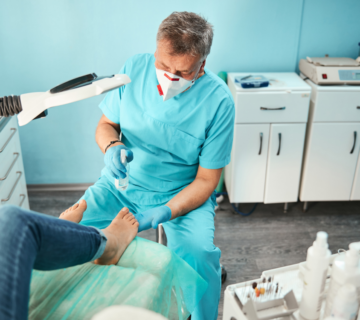
While mild stiffness can improve with stretching and supportive shoes, schedule an appointment with a podiatrist or physical therapist if:
- The pain persists for more than two to three weeks despite conservative home care.
- You experience numbness, severe burning, or visible swelling.
- You cannot bear weight on your foot.
- You have diabetes or peripheral circulatory issues.


No comment