
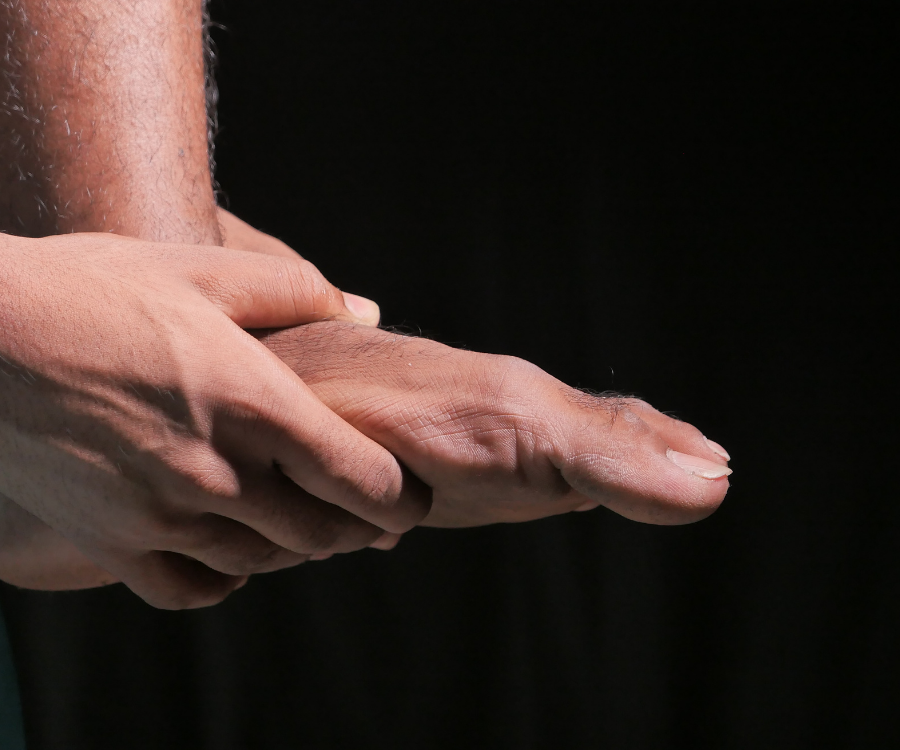
Why Your Feet Change as You Get Older (And What to Do About It)
If you have noticed that your favorite shoes feel unusually snug, or that standing for an hour leaves your heels aching in a way they never used to, you are not imagining things. Your feet change noticeably as you age.
Each foot contains 26 bones, 33 joints, and over 100 muscles, tendons, and ligaments. Over a lifetime, they absorb hundreds of tons of cumulative force. Just like your vision, skin, and joints elsewhere in your body, the anatomical architecture of your feet evolves with age.
Understanding why these structural and physiological shifts occur makes it much easier to stay mobile, prevent chronic pain, and choose the right footwear.
1. The Arches Flatten and the Foot Lengthens
One of the most common surprises for adults in their 40s, 50s, and beyond is going up half a shoe size or needing a wider toe box.
- Ligament laxity: Ligaments and tendons are made primarily of collagen. As aging slows collagen synthesis, these connective tissues lose their natural elasticity.
- Posterior tibial tendon wear: The posterior tibial tendon supports the arch of the foot. Decades of tension cause it to stretch out, leading the arch to gradually collapse.
- The result: When the arch flattens, the foot splays outward and lengthens. You haven’t grown new bone; your foot’s structural foundation has simply settled.
2. Natural Fat Pads Thin Out (Fat Pad Atrophy)
The balls of your feet and your heels feature thick, specialized adipose tissue pads designed to absorb shock. Think of them as your body’s built-in running shoes.
As you get older, the body’s natural production of collagen and elastin drops, and these protective fat pads begin to thin out—a condition known clinically as fat pad atrophy. Without adequate natural cushioning:
- Ground reaction force transfers directly to the metatarsal heads and heel bone (calcaneus).
- Standing on hard surfaces like tile or hardwood can feel like walking barefoot on concrete.
- Susceptibility to deep bruising, metatarsalgia (forefoot pain), and stress fractures increases.
3. Joint Cartilage Wears Down
With dozens of mobile joints in each foot, wear-and-tear arthritis (osteoarthritis) is a frequent companion of the aging foot.
Cartilage provides a smooth, lubricated surface that prevents bones from grinding against each other. Over decades, this cartilage naturally thins. The joint most frequently affected is the first metatarsophalangeal (MTP) joint—the base of the big toe. When cartilage wears down here, it can lead to hallux rigidus, causing stiffness, localized swelling, and pain every time you push off the ground to take a step.
4. Deformities Become More Pronounced
Bunions and hammertoes are largely rooted in genetic foot mechanics, but aging provides the time and laxity required for them to manifest:
| Condition | Mechanism | Impact on Daily Comfort |
| Bunions (Hallux Valgus) | The first metatarsal drifts inward while the big toe angles toward the second toe. | Causes painful friction against shoe uppers and widens the forefoot. |
| Hammertoes | Muscle-tendon imbalances cause the smaller toes to buckle at the middle joint. | Creates raised friction points that develop corns, calluses, and pressure sores. |
| Tailor’s Bunions | Structural splay on the outside edge of the fifth metatarsal. | Causes redness and burning on the outer edge of the foot. |
5. Skin Dries Out and Circulation Declines
Aging feet produce fewer natural oils and sweat, leading to parched, inelastic skin. This makes the heels particularly prone to deep, painful fissures that can become pathways for bacterial infection.
Simultaneously, peripheral circulation tends to slow down. Reduced arterial blood flow means micro-tears and minor sores take longer to heal, while diminished venous return often leads to mild fluid pooling (edema) around the ankles and instep toward the end of the day.
Proactive Strategies to Protect Your Feet
Aging feet do not have to mean chronic foot pain. A few intentional adjustments to daily habits can preserve joint function and mobility:
- Get measured regularly: Never assume your shoe size is static. Measure both length and width with a Brannock device at least every two years, and always shop for shoes in the afternoon when feet are naturally slightly swollen.
- Prioritize a wide toe box: Footwear with a tapered toe box forces splaying toes together, accelerating bunion and neuroma formation. Look for shoes that match the natural shape of your forefoot.
- Upgrade shock absorption: If you suffer from fat pad atrophy, compensate externally. High-density, cushioned insoles or custom orthotics can redistribute plantar pressure away from vulnerable contact points.
- Moisturize with urea: Standard body lotions struggle to penetrate the thick stratum corneum of the soles. Use a foot cream containing 10% to 20% urea, which actively draws moisture into callused skin and prevents heel cracking.
- Strengthen foot intrinsics: Practice simple toe-spreading, marble pickups, and calf raises to preserve strength in the small muscles stabilizing your arches.
If persistent morning stiffness, unexplained numbness, or acute heel pain interferes with your day-to-day routine, consult a podiatrist. Identifying biomechanical imbalances early is the most reliable way to stay active on your feet for decades to come.


No comment