
Is Your Child Flat-Footed? 5 Warning Signs Parents Shouldn’t Ignore
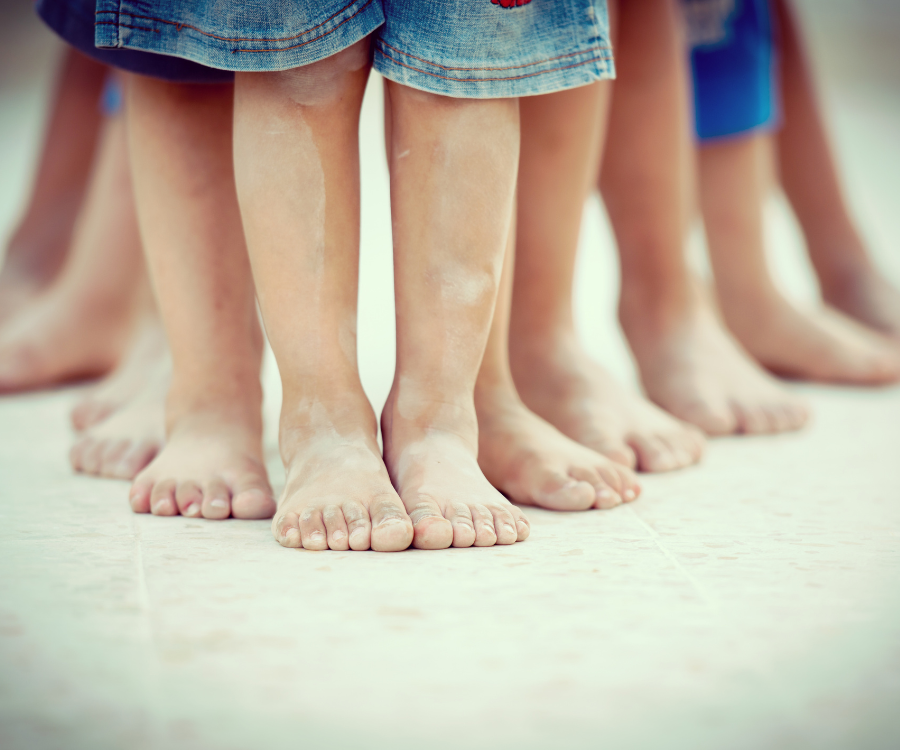
As parents, we spend a lot of time watching our children grow, from their very first shaky steps to sprinting across the playground. But during those watchful moments, have you ever taken a close look at their feet?
If you’ve noticed that your child’s feet seem to pancaking against the floor, you might be wondering about flat feet (medically known as pes planus).
While flat feet are incredibly common—and often completely normal—in toddlers, they can sometimes cause issues as children get older. Here is a guide on how to spot the signs of flat feet in children, what’s normal, and when it’s time to chat with a professional.
The “Toddler Foot” Myth: What’s Normal?
First, take a deep breath. If your two-year-old has flat feet, it is usually entirely normal.
When babies are born, their arches aren’t fully formed. Instead, their feet have a natural fat pad that hides the arch. As they grow, learn to walk, and strengthen their muscles, that fat pad disappears, and the arch typically develops between the ages of 3 and 6.
However, if your child is hitting school age and their feet still look flat, or if they are experiencing discomfort, it’s worth paying closer attention.
5 Signs of Flat Feet in Children
Because kids don’t always know how to articulate specific types of physical discomfort, they might not tell you, “Hey Mom, my arches hurt.” Instead, you have to look for the physical and behavioral clues.
1. The Missing Arch (Even When Standing)
The easiest way to check is the visual test. Have your child stand up straight on a flat surface.
- Flexible Flat Feet: You might see an arch when they dangle their feet while sitting, but the moment they stand up, the arch completely disappears.
- Rigid Flat Feet: The foot remains completely flat whether they are standing, sitting, or standing on their tiptoes.
2. An Ankles-Inward Tilt (Overpronation)
Look at your child from behind while they are standing. Do their ankles seem to roll inward toward each other? Does the heel bone look like it’s leaning outward? This is called overpronation, and it’s a classic sign that the foot lacks the structural support of a healthy arch.
3. Frequent Complaints of Tired or Aching Legs
If your child frequently complains of “growing pains” in their feet, calves, or knees after a normal day of play, flat feet could be the culprit. Without an arch to absorb the shock of running and jumping, the muscles in the legs have to work twice as hard, leading to early fatigue and soreness.
4. Unusual or Uneven Shoe Wear
Take a look at the bottom of your child’s favorite sneakers. Are the inner sides of the soles significantly more worn down than the outer sides? Flat feet cause uneven weight distribution, which writes its own story on the tread of their shoes.
5. Withdrawal from Physical Activities
Is your child suddenly sitting out during sports, asking to be carried, or complaining that they want to go home early from the park? Behavioral changes are often a child’s way of coping with physical discomfort. If they can’t keep up with their peers because their feet hurt, they may just stop trying.
The Quick “Wet Footprint” Home Test
Want a fun, quick way to check at home?
- Have your child wet the bottoms of their feet (after bath time is perfect).
- Have them step firmly onto a dry piece of cardboard or a dark concrete sidewalk.
- Look at the print. A typical foot will leave a print with a distinct inward curve where the arch didn’t touch the ground. A flat foot will leave a thick, solid block of a footprint where the entire sole made contact.
When Should You See a Doctor?
In many cases, pediatric flat feet are “flexible,” meaning they don’t cause pain and don’t require aggressive treatment. However, you should definitely schedule a visit with a pediatrician or podiatrist if:
- Your child experiences pain, tenderness, or cramping in the feet or legs.
- The flat feet are “rigid” (the arch doesn’t appear even when they are off their feet).
- Your child is limping or changing the way they walk.
- The flat foot developed suddenly after an injury.
Final Thoughts
Most kids with flat feet go on to live perfectly active, pain-free lives. Sometimes, all it takes is a good pair of supportive sneakers or some simple custom orthotics to keep them running happily.
Keep an eye on how they move, listen to their complaints, and when in doubt, getting a professional opinion will always give you peace of mind!


No comment