
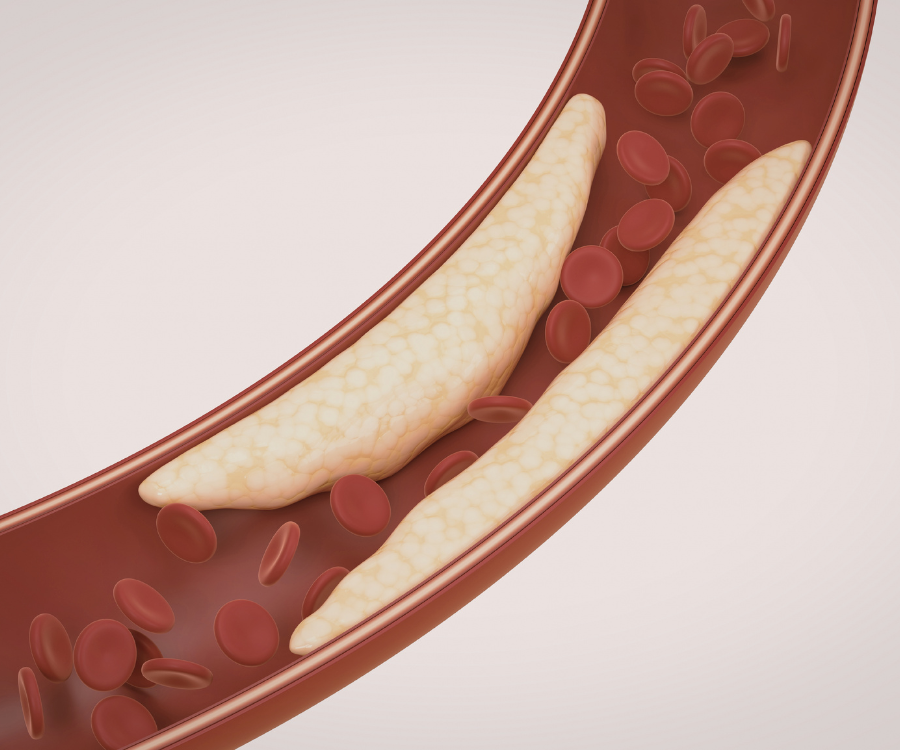
More Than Just Cold Toes: How Poor Circulation Affects Your Feet
We’ve all been there—sitting in a weird position for too long until our foot falls asleep. That “pins and needles” sensation is a temporary glitch in our system. But for millions of people, poor circulation isn’t just a fleeting annoyance; it’s a daily reality that can have serious consequences for foot health.
Your feet are the furthest point from your heart. This means your circulatory system has to work the hardest to pump blood all the way down and back up again. When that flow is restricted, your feet are the first to send out an SOS.
The Warning Signs: What Your Feet Are Telling You
Poor circulation (often linked to Peripheral Artery Disease or Diabetes) doesn’t always scream for attention; sometimes, it whispers. Here is what you should be looking for:
- Persistent Coldness: If your feet feel like ice blocks even under a heavy blanket, your blood flow might be struggling to provide necessary warmth.
- Discoloration: Take a look at your skin tone. Do your feet look pale, bluish, or even a dusky red? This is a classic sign of oxygen deprivation.
- Swelling (Edema): When blood doesn’t move efficiently, fluid can pool in the ankles and feet, leading to a “heavy” or tight feeling.
- Slow Healing: This is the most critical sign. If a small scratch, blister, or “paper cut” on your foot takes weeks to heal, it’s because the nutrient-rich blood needed for repair isn’t reaching the site.
Why Is Poor Circulation Dangerous?
It’s easy to dismiss cold feet as a “quirk,” but healthy blood flow is the delivery service for your body’s immune system. Without it, your feet face two major risks:
1. The Risk of Infection
Blood carries white blood cells to fight off bacteria. If you have poor circulation and get a small nick on your toe, your body can’t send the “repair crew” fast enough. What should be a minor scrape can quickly turn into an ulcer or a deep-seated infection.
2. Nerve Damage (Neuropathy)
Nerves need oxygen to function. Chronic poor circulation can eventually starve the nerves in your feet, leading to numbness. This creates a dangerous cycle: you can’t feel a pebble in your shoe or a blister forming, and because the circulation is poor, that unfelt injury won’t heal.
Simple Ways to Boost Your Flow
The good news? You can take active steps to help your blood get where it needs to go.
| Habit | Why it Helps |
| Daily Walks | Walking acts as a “second heart,” using calf muscles to pump blood back up. |
| Elevation | Propping your feet above heart level helps gravity drain pooled fluid. |
| Foot Massages | Manual stimulation encourages surface-level blood flow. |
| Hydration | Water keeps your blood at the right consistency for easy travel. |
| Proper Footwear | Shoes that are too tight act like a tourniquet, cutting off flow. |
When to See a Professional
If you notice numbness, sores that won’t heal, or a cramping pain in your calves when you walk, it’s time to skip the Google search and book an appointment with a podiatrist or your primary care doctor.
Your feet carry you through life—literally. Giving them the circulation they need is the best way to ensure they keep up the pace for years to come.
Pro-Tip: If you’re a smoker, quitting is the single most effective thing you can do for your circulation. Nicotine constricts blood vessels, making it significantly harder for blood to reach your extremities.


No comment