
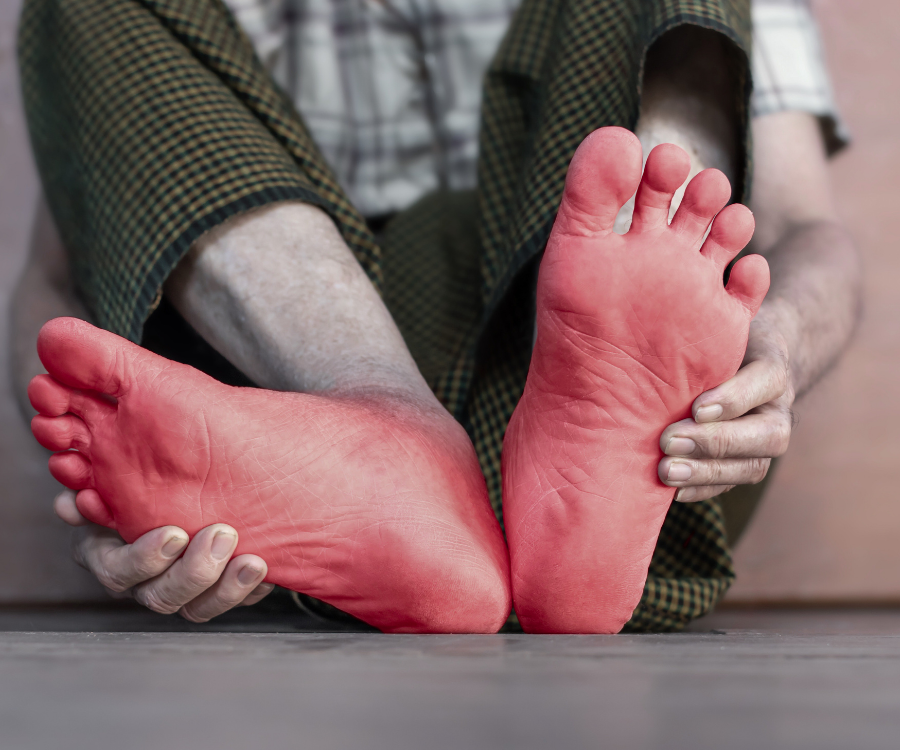
Why Do My Feet Tingle When I Walk? Causes, Fixes, and When to See a Doctor
That prickling, “pins-and-needles” sensation in your feet during a walk can turn a refreshing stroll into an uncomfortable chore. Known medically as paresthesia, tingling feet are usually your body’s nervous or circulatory system waving a red flag.
While the occasional flare-up is often harmless—like breaking in tight shoes—chronic or sharp tingling while moving can indicate an underlying medical issue.
1. The Everyday Culprits: Mechanical and Footwear Issues
Before diving into complex nerve conditions, look at the most common, easily fixable triggers:
- Improper Footwear: Shoes with a narrow toe box, rigid soles, or laces tied too tightly compress the digital nerves and restrict capillary blood flow.
- Biomechanical Strain: Flat feet, high arches, or overpronation place uneven pressure across the foot sole, irritating nearby nerves as you step.
- Temporary Nerve Compression: Walking for long distances with excessive downward pressure can temporarily pinch superficial nerves near the base of the toes.
2. Common Medical Causes of Tingling Feet
If adjusting your footwear doesn’t bring relief, the issue may stem from deeper nerve or circulation issues.
Morton’s Neuroma
A thickening of the tissue around one of the nerves leading to your toes (typically between the third and fourth toes).
- What it feels like: Tingling, burning, numbness, or the sensation of standing on a folded sock or pebble.
- Walking trigger: Aggravated by high-impact steps and tight, pointed shoes.
Tarsal Tunnel Syndrome
Similar to carpal tunnel in the wrist, this occurs when the posterior tibial nerve is compressed as it travels through the narrow tarsal tunnel along the inner ankle.
- What it feels like: Burning, tingling, and aching across the sole, heel, and arches that intensifies with prolonged walking or standing.
Peripheral Neuropathy
Peripheral neuropathy refers to damage to the peripheral nerves connecting the brain and spinal cord to the rest of the body.
- Primary causes: Poorly managed diabetes (diabetic neuropathy), vitamin $B_{12}$ deficiency, chronic kidney disease, or autoimmune conditions.
- What it feels like: Symmetrical tingling, buzzing, or numbness starting in the toes and gradually creeping up the feet (“stocking-glove” pattern).
Lumbar Radiculopathy (Sciatica / Pinched Nerve in the Back)
The nerves controlling foot sensation originate in the lower spine (L4–S1 nerve roots). A herniated disc, bone spur, or spinal stenosis can pinch a nerve root in your lower back.
- What it feels like: A sharp, shooting tingling or numbness running down the back of the leg straight into the foot sole or outer toes during walking.
Peripheral Artery Disease (PAD)
PAD occurs when narrowed arteries reduce blood flow to the lower extremities.
- What it feels like: Cramping, tingling, or heaviness in the calves and feet that begins after walking a specific distance and subsides with rest (claudication).
At-a-Glance Comparison
| Condition | Primary Location | Key Walking Symptom |
| Tight Footwear | Entire forefoot / toes | Resolves quickly once shoes are removed |
| Morton’s Neuroma | Ball of foot, 3rd & 4th toes | Feels like walking on a marble or bunched sock |
| Tarsal Tunnel | Inner ankle, arch, and sole | Burning and tingling aggravated by weight-bearing |
| Peripheral Neuropathy | Symmetrical across both feet | Gradual, constant buzzing/numbness worse at night |
| Lumbar Sciatica | One foot / specific toes | Radiating nerve sensation from lower back or glute |
| PAD (Circulation) | Feet and calves | Coldness, cramping, and tingling eased by sitting |
Practical Steps to Relieve Tingling Feet
- Upgrade your shoe fit: Choose shoes with a wide toe box, supportive cushioning, and adequate arch support.
- Incorporate custom orthotics: Correct overpronation or flat arches to relieve localized nerve pressure.
- Check your nutrition: Ensure adequate intake of Vitamin $B_1$ (Thiamine), $B_6$, and $B_{12}$, which support myelin sheath health.
- Stretch calves and feet: Perform daily calf stretches and roll a tennis ball under the arch of your foot to loosen tight plantar fascia tissue.
- Maintain steady blood sugar: If you are living with prediabetes or diabetes, consistent glucose management is the most effective way to prevent neuropathy progression.
When to See a Doctor
Consult a podiatrist, neurologist, or primary care physician promptly if:
- The tingling is persistent, worsening, or spreading upward into your legs.
- You notice loss of balance, muscle weakness, or foot drop (trouble lifting the front part of your foot).
- You have diabetes and notice any sores, blisters, or loss of sensation in your feet.
- Tingling appears suddenly alongside sudden weakness or numbness on one side of the body (seek emergency care).




No comment