
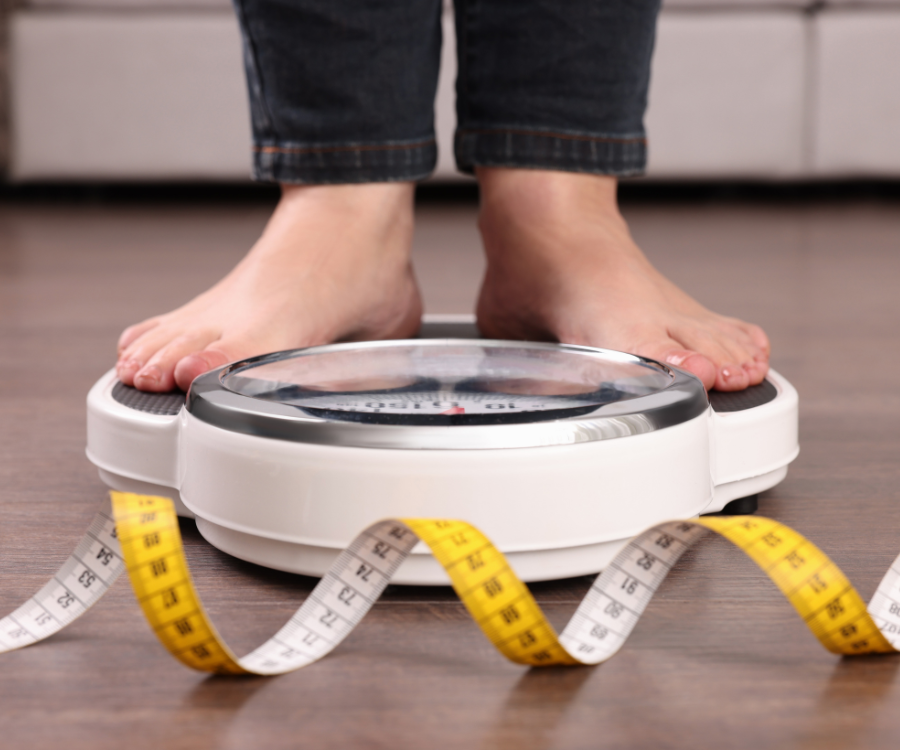
If you’re waking up to a sharp, stabbing pain in your heel when you take those first few steps out of bed, you are not alone. Heel pain is incredibly common, but the exact trigger isn’t always obvious. While poor footwear and sudden spikes in activity are usual suspects, there is another major factor that often gets overlooked: body weight.
The short answer to whether weight can cause heel pain is yes. Carrying extra weight significantly increases the mechanical stress placed on the structures of your feet, particularly the heels.
Here is a breakdown of why this happens, the specific conditions it triggers, and what you can do to find relief.
The Biomechanics: Why Extra Weight Hurts Your Heels
Your feet are an engineering marvel, designed to absorb shock and carry you through the day. However, they are built to handle a specific load capacity.
When you walk, the impact force on your feet is roughly 1.5 to 2 times your body weight. When you run or jump, that force can spike to 3 or 4 times your body weight. If a person gains 20 pounds, their feet are suddenly absorbing an extra 30 to 40 pounds of force with every single step.
Over time, this added pressure flattens the natural arch of the foot (overpronation). This structural shift pulls and strains the ligaments and tendons connecting to your heel bone, leading to microscopic tears, inflammation, and chronic pain.
Common Heel Conditions Linked to Weight
While extra weight alone is a stressor, it usually manifests as one of these specific, diagnosable conditions:
1. Plantar Fasciitis
This is by far the most common cause of heel pain in adults. The plantar fascia is a thick band of tissue that runs across the bottom of your foot, connecting your heel bone to your toes. It acts as a shock-absorbing bowstring. Extra weight increases the downward pressure on your foot’s arch, stretching that “bowstring” too far. This causes micro-tears where the fascia attaches to the heel, resulting in severe inflammation.
2. Heel Spurs
A heel spur is a calcium deposit that causes a bony protrusion on the underside of the heel bone. They frequently occur alongside plantar fasciitis. When the plantar fascia is constantly tight and pulling away from the heel (often due to weight-induced flat feet), the body tries to repair the tension by building extra bone, creating a painful spur.
3. Fat Pad Atrophy
You have a natural, protective pad of fat directly under your heel bone to cushion your steps. Consistently bearing heavier loads can cause this fat pad to compress, thin out, or shift out of place over time. When you lose that natural cushioning, you are essentially walking directly on your heel bone.
How to Find Relief
If weight is contributing to your heel pain, the cycle can feel frustrating: you need to be active to manage your weight, but being active hurts your feet. Here is how to break that cycle safely:
- Switch to low-impact cardio: Give your heels a break by swapping out walking or running for activities that take the load off your feet. Swimming, cycling, and rowing are excellent ways to burn calories without pounding your heels.
- Invest in supportive footwear: Ditch the flat, unsupportive shoes (like flip-flops or worn-out sneakers). Look for shoes with a rigid heel counter, strong arch support, and ample cushioning.
- Use custom orthotics: Over-the-counter or custom-molded shoe inserts can artificially recreate the arch that extra weight may be flattening out, redistributing the pressure evenly across your foot.
- Stretch the calves and fascia: Tight calf muscles pull on the Achilles tendon, which in turn pulls on the heel and the plantar fascia. Regular, gentle calf stretches and rolling a frozen water bottle under the arch of your foot can provide immediate relief from inflammation.
Your feet are your foundation. Addressing the root cause of the pressure—whether through supportive gear, physical therapy, or gradual weight management—is the key to getting back on your feet pain-free.

No comment