
Walking Barefoot: Is It Good or Bad for Your Health?
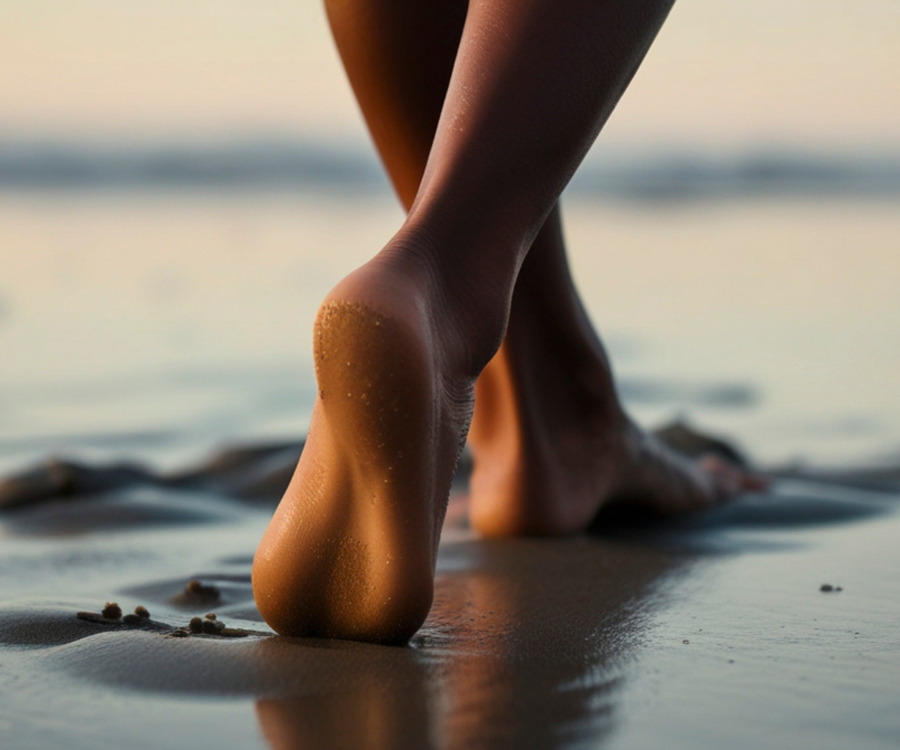
There is something undeniably freeing about kicking off your shoes and walking barefoot. For many, it evokes a sense of reconnecting with nature. Recently, the practice has gained serious traction in wellness circles—sometimes called “barefooting” for its biomechanical focus, or “earthing” and “grounding” for its purported energetic benefits.
But is walking barefoot actually good for you, or are you just asking for foot pain and an infection?
The truth is, walking without shoes is a mixed bag. From a biomechanical perspective, it can do wonders for your foot strength and balance. However, our modern environments are largely concrete and asphalt, making the sudden transition to shoeless walking surprisingly risky.
Here is what you need to know before you ditch your sneakers.
The Good: Surprising Benefits of Walking Barefoot
When you walk in conventional shoes, especially those with thick cushioning, your feet are essentially put in casts. Removing that barrier forces your body to work the way it was originally designed.
- Stronger foot and leg muscles: Walking barefoot engages intrinsic muscles in your feet and lower legs that are typically underused when you wear supportive shoes. Stronger feet can eventually reduce the risk of common ailments like bunions or hammertoes.
- Improved proprioception (balance): Your feet are packed with sensory nerve endings. Barefoot walking increases the sensory input sent from your feet to your brain. This heightened awareness—known as proprioception—improves your spatial awareness, balance, and coordination.
- A more natural gait: Shoes generally cause us to take longer strides and strike the ground heavily with our heels. Barefoot walking naturally shortens your stride and encourages a “midfoot” strike, which acts as a natural shock absorber and can decrease stress on your knees, hips, and lower back.
- The “Grounding” effect: Proponents of earthing or grounding argue that direct contact with the earth allows your body to absorb negative electrons, which allegedly reduces inflammation and stress. While the electromagnetic claims lack robust clinical evidence, the mental health benefits of walking barefoot in nature—and the very real biomechanical benefits—make it a worthwhile practice.
The Bad: Hidden Risks of Ditching Your Shoes
Despite the natural appeal, walking barefoot is not without its hazards. We no longer live in a world made entirely of soft dirt and grass.
- Impact injuries from hard surfaces: Concrete, asphalt, and tile offer zero shock absorption. If you haven’t built up the necessary foot strength, walking barefoot on these modern surfaces can cause intense biomechanical stress, leading to plantar fasciitis, Achilles tendonitis, or heel pain.
- Cuts, burns, and infections: Stepping on sharp debris (like glass or rocks) is an obvious risk, but infections are an invisible threat. Just a few minutes barefoot in a public city park or locker room can expose you to fungal infections (like athlete’s foot), warts, and harmful bacteria.
- It can be dangerous for certain conditions: If you have diabetes, peripheral neuropathy, or poor circulation, walking barefoot outdoors is highly discouraged by podiatrists. Reduced sensation means a minor cut or blister could go completely unnoticed and develop into a severe ulcer.
How to Start Walking Barefoot Safely
If you have spent your whole life wearing shoes, your feet are likely weak. Tossing your shoes into the closet and going for a two-mile barefoot walk is a guaranteed recipe for injury.
To safely reap the benefits of barefoot walking, follow these transition steps:
- Start indoors: Let your feet adapt in a controlled, safe environment. Practice walking around your house shoeless to build initial strength without worrying about stepping on hazards.
- Practice on soft, natural terrain: Once you are ready for the outdoors, stick to private grassy yards, clean sandy beaches, or turf. Avoid public city parks, sidewalks, and streets.
- Keep it brief: Begin with short 15- to 20-minute sessions. Treat barefoot walking like a new workout routine—you need to build endurance over time.
- Try minimalist shoes: If you want the biomechanical benefits of being barefoot with the protection of a shoe, consider “barefoot” or minimalist shoes. They feature wide toe boxes and zero heel drop, allowing natural movement while protecting your skin from cuts and infections.
- Listen to your body: Mild muscle soreness in your calves or arches is normal; sharp joint or heel pain is not. If you feel pain, put your shoes back on and rest.
Walking barefoot can be a fantastic way to build strength, improve your balance, and connect with your surroundings. Just remember to use common sense, stick to safe surfaces, and give your feet the time they need to adapt.


No comment